A Parent’s Guide to Feeding and Preparing Kids for Beach Camp
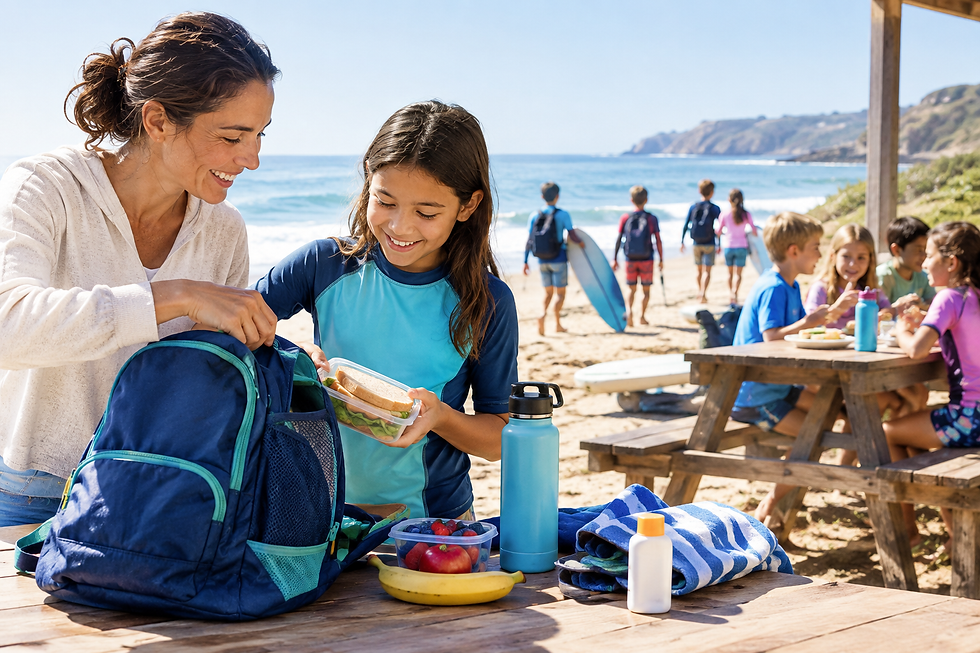
Choosing a summer camp involves much more than finding an appealing activity schedule. Parents usually compare locations, session dates, costs, transportation, and packing lists, but one practical consideration deserves equal attention: food.
For a child spending days swimming, hiking, playing games, and participating in outdoor activities, meals become part of the daily routine that keeps them comfortable and energized. A camper who skips breakfast or doesn't drink enough water may struggle to keep up with the schedule, become irritable, or simply feel more tired than expected.
Good camping nutrition planning begins before the first day. Parents should understand how meals are structured, communicate dietary needs clearly, and help children become familiar with routines they will encounter away from home.
Start With the Camp's Meal Plan
Before completing enrollment, find out what the camp normally serves and how frequently children eat.
A full day of physical activity requires more than occasional snacks. Breakfast, lunch, dinner, and scheduled snacks should provide enough variety to support an active child throughout the day.
Parents can look for meals that include a combination of protein, carbohydrates, fruits or vegetables, and fluids. Protein can help keep children satisfied between meals, while carbohydrates provide readily available energy for activities.
Hydration deserves just as much attention. Children may not always recognize that they are becoming dehydrated, particularly when they're busy playing outside.
If a camp publishes sample menus, review them with your child. Familiarity can make mealtimes less intimidating, especially for a first-time camper.
Don't Leave Dietary Information Until Departure Week
Allergies and food restrictions should be discussed well before your child arrives.
A registration form is only useful when the information on it is complete. If your child has a food allergy, intolerance, religious restriction, or medically necessary dietary requirement, provide specific details rather than assuming the kitchen will figure it out later.
Parents should consider three questions:
Does the camp accommodate the specific restriction?
How does the kitchen prevent cross-contact with allergens?
Who should receive the information besides the dining staff?
It can also help to explain the restriction to your child in age-appropriate language. A camper who knows what foods they need to avoid and which adult they can approach is better prepared to handle mealtimes independently.
For significant allergies, families should confirm the camp's procedures directly rather than relying solely on an online form.
Registration Timing Can Affect Your Options
Food planning is only one piece of getting ready for camp. Families also need enough time to secure the session that works best for them.
Popular coastal programs can reach capacity well before summer arrives. This is particularly relevant when families are comparing camp registration in San Diego options and hoping to find a specific session length or specialty program.
Registering earlier gives families more flexibility. They may have a wider selection of dates, session lengths, sibling placements, and other preferences.
It also creates more time to handle practical details such as medical forms, financial assistance applications, equipment purchases, and transportation arrangements.
Instead of treating registration as the final step after all planning is complete, consider it the starting point for the preparation process.
Think About the Coastal Environment
An oceanfront camp creates a different daily environment from an inland summer program.
Sun, salt water, sand, and frequent swimming can affect what your child needs during the day and what belongs in their luggage.
For a coastal session, parents may want to consider:
UPF 50 or higher sun-protective clothing
More than one pair of water-friendly shoes
SPF lip balm
Extra towels
Reusable water bottles
Clothing that can handle frequent exposure to water and sand
Campers can also go through clothing and towels faster than parents expect. Having duplicates means one set can dry while another is being used.
Camp Hess Kramer, currently operating from its temporary oceanfront location in Carlsbad, offers families a useful example of how location can influence preparation. Beach activities become part of the camp experience rather than an occasional outing.
Prepare Kids for Camp Mealtimes at Home
You don't need to completely change your child's diet before camp.
Small adjustments can make the transition easier.
Try having regular family meals where children practice serving themselves, trying different foods, and staying at the table without distractions. If your child tends to skip breakfast, work on establishing a consistent morning meal before departure.
Hydration can become a habit too. Encourage your child to carry a water bottle and drink regularly rather than waiting until they're thirsty.
Sleep is another area worth preparing. If camp involves earlier mornings or a different bedtime, gradually adjust the household schedule during the weeks before departure instead of changing it overnight.
Reducing screen use before the trip can also make the move toward a structured camp routine less abrupt.
Help Picky Eaters Become More Flexible
Parents don't need to turn camp preparation into a battle over food.
Instead, focus on independence.
Teach children how to recognize foods they enjoy, identify foods they cannot safely eat, ask questions when they're uncertain, and tell a counselor when they aren't feeling well.
If your child is selective about food, ask the camp how mealtimes work. Some programs offer multiple choices or allow campers to select from several components of a meal.
The goal is not to make a child eat unfamiliar foods. It's to give them enough confidence to navigate meals without having a parent sitting beside them.
Consider the Trip, Not Just the Camp
Families traveling from Los Angeles or elsewhere in Southern California should also think through the logistics.
How long will the drive take? When is drop-off? Are there designated visiting or pickup days? Will your child need special equipment? Does anything need to be ordered several weeks in advance?
These details can influence which session makes the most sense for your family.
For families traveling toward Carlsbad, the distance and traffic patterns should be considered when planning departure and pickup times. Building extra time into the schedule can make the first and final camp days considerably less stressful.
Keep the First Week in Perspective
Even with careful preparation, the first few days may involve an adjustment period.
A child might eat differently, sleep differently, or discover foods they didn't expect to enjoy. That's normal.
Parents can make the transition easier by discussing camp meals positively before departure and reminding children that counselors are there to help.
The purpose of preparation isn't to control every detail. It's to give your child enough information and confidence to handle a new environment independently.
The Bottom Line
Summer camp preparation starts well before packing day. Understanding the meal schedule, communicating dietary requirements, encouraging hydration, and practicing simple routines at home can all help children settle into camp more comfortably.
Families considering a coastal program should also account for the extra demands of sun, swimming, sand, and outdoor activity.
And don't overlook enrollment timing. Camp registration in San Diego searches often lead families to popular programs where preferred sessions can fill before summer is closed.
Plan the food, prepare for the environment, and register early enough to preserve your options. With those pieces in place, your child's transition from home to an oceanfront summer camp can feel far more manageable.


Comments