Egyptian Alabaster and Brass: A Fascinating Guide to the Artisanal Stone Item Store
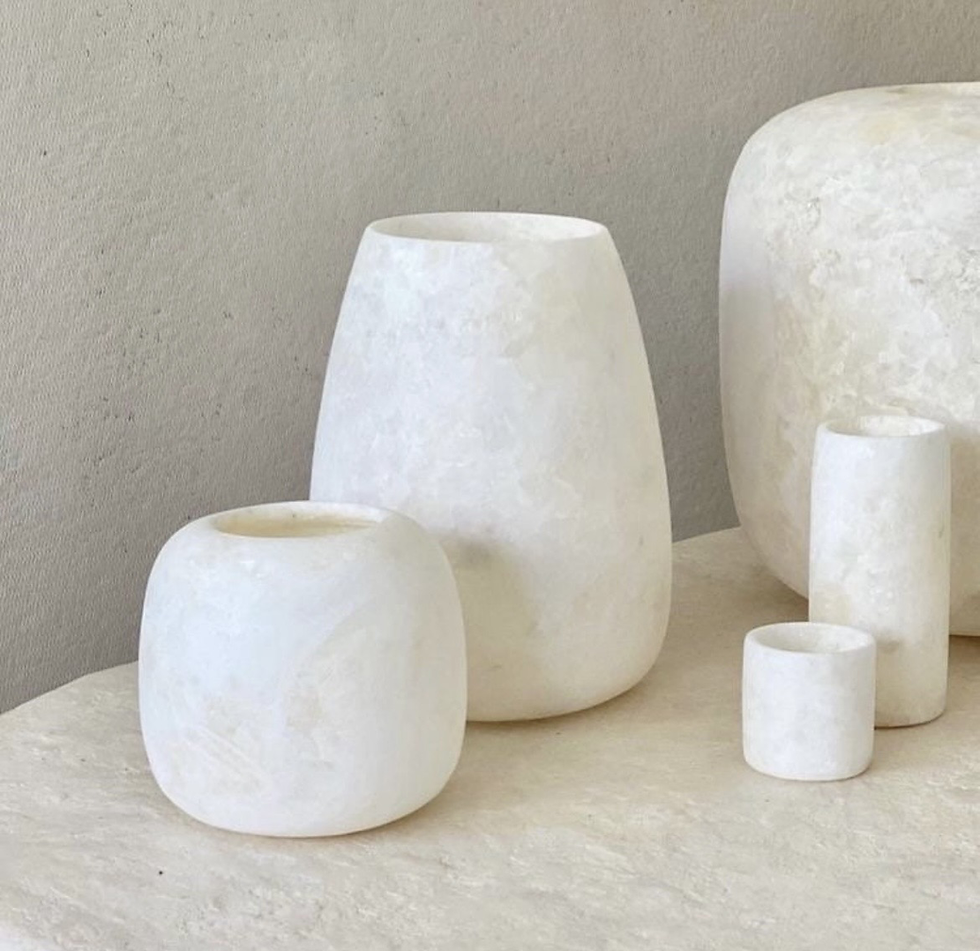
Egyptian alabaster and brass décor refers to handmade home items crafted from calcite stone and solid metal that shape light, texture, and feel inside a space. These materials last long, age well, and carry a clear link to traditional craft practices.
This guide explains how these materials work, how artisans shape them, and why they still matter in modern homes. It also connects to detailed topics that support better buying and styling choices.
What defines authentic artisanal stone and brass décor
Authentic artisanal décor is handmade using natural materials and traditional tools. It focuses on craft skill, not factory speed. Each piece shows small differences that come from human work and raw material variation.
In many homes today, people move away from uniform products. They want items that feel real. Handmade décor brings that feeling. It also gives a sense of origin, which mass products often lack.
Craft-based décor follows three core ideas.
Natural materials shape the final look
Human skill controls the process
No two pieces are exactly the same
This sets the base for understanding how stone and metal behave in real use.
What makes Egyptian alabaster different from other stones
Egyptian alabaster is a calcite stone that allows light to pass through its surface, creating a soft glow. It is stronger than gypsum-based stone and lasts longer in décor use.
Many products sold as alabaster are not true calcite. Gypsum is softer and easier to cut. But it does not give the same glow or durability. According to geological studies, calcite alabaster has a higher density than gypsum-based stone, which improves durability. True alabaster holds structure better and reacts differently to light.
Its inner structure contains fine mineral layers. These layers scatter light in a soft way. That is why candle holders and lamps made from it create a warm tone instead of a sharp glare. Most buyers focus on brightness when choosing alabaster. In practice, lower light intensity works better because the stone diffuses light rather than amplifying it.
This is not just about looks. It is about how the material interacts with light at a physical level. That is where its value comes from.
How artisans shape alabaster without damaging it
Alabaster is delicate during carving. It can break if the pressure is uneven. So artisans use a lathe and chisel method instead of fast machine cutting.
The stone is turned slowly while tools shape it bit by bit. This method keeps control in the artisan’s hands. It also allows them to adjust the thickness based on the stone’s natural pattern.
Each piece ends up with a slight variation in wall thickness. This is not a flaw. It helps the stone glow differently in each section. That is why handmade items feel more alive compared to machine-made ones.
This process takes time. But it protects the material and keeps its natural character intact.
Why brass changes over time and why that matters
Brass develops a surface layer over time due to air and moisture exposure. This process is called patina. It changes the color from bright gold to a deeper tone.
This change is often seen as a flaw in factory products. But in handmade items, it is part of the value. The surface tells a story of use and age. In workshops across Old Cairo, artisans do not seal brass with heavy coatings. They allow it to age naturally. This gives each piece a shifting look over the years.
The feel of real brass also matters. It has weight. It stays cool to the touch. These small details signal authenticity in a way that visual checks alone cannot.
How to identify a true brass stone item store
A genuine brass stone item store focuses on the material origin and craft method. It does not rely only on design or surface finish.
There are a few signs that help identify this.
Clear mention of where the material comes from
Handmade production instead of bulk factory supply
Visible variation in finished products
Solid weight in metal items
Stores that sell plated metal or synthetic stone often hide these details. Authentic sellers explain them clearly. This difference matters because it affects how long the product lasts and how it behaves in daily use.
Why the Luxor region still matters in stone craftsmanship
Luxor has been a source of stone carving for thousands of years. The same regions that supplied stone for ancient structures still support artisans today.
Many families continue this work across generations. Skills are passed down through practice, not formal training. This keeps the process rooted in tradition. Stone from different parts of Egypt varies in color and density. Some areas produce white stone with soft veins. Others produce darker tones with stronger patterns. Knowing the source helps ensure quality. It also adds a layer of trust for buyers who want real material rather than substitutes.
How to care for alabaster and brass at home
Proper care keeps both materials stable for years. They do not need complex treatment, but they do need attention.
Wipe the alabaster with a dry or slightly damp cloth
Keep it away from strong acids or harsh cleaners
Let the brass age naturally, or polish it lightly if needed
Avoid storing items in damp spaces
These steps protect the surface without removing its natural character.
Natural light diffusion with alabaster candle holders
Alabaster candle holders spread light evenly through the stone. This creates a soft glow that works well in living spaces.
The effect depends on thickness and stone quality. Thinner areas allow more light to pass. Thicker parts create shadow. This balance gives depth to the light.
For a deeper understanding of shapes and styles, refer to the detailed guide on the white stone candle holder.
How hammered brass trays add texture to interiors
Hammered brass trays combine function with surface detail. The small dents created during shaping reflect light in uneven ways.
This texture makes the tray stand out without using bright colors. It fits well in both modern and traditional settings.
To see how these elements work in smaller accessories, a practical breakdown is covered in the brass coasters guide
What affects the quality of alabaster stone grades
Alabaster quality depends on density, clarity, and vein structure. Higher-grade stone has fewer weak spots and more even translucency.
Lower-grade stone may contain more breaks or cloudy patches. This affects both strength and light diffusion. For a detailed breakdown of grading and sourcing, refer to Egyptian alabaster stone.
How terracotta lighting supports stone décor
Terracotta wall sconces add a different texture to interiors. They absorb light rather than reflect it. This creates contrast when paired with stone.
The mix of materials helps balance brightness and shadow in a room. It also adds depth to wall surfaces. For styling ideas that combine these elements, refer to the alabaster candlesticks guide
Why handmade décor holds value over time
Handmade décor lasts longer because of the material strength and repair potential. It also keeps its identity over time. Mass-produced items often lose value once trends change. Handmade pieces do not depend on trends in the same way. They rely on material and craft.
There is also a personal side. People tend to keep items longer when they feel a connection to them. This reduces replacement and waste.
About Cairo Stone & Brass
Cairo Stone & Brass works directly with artisans across Egypt. The brand focuses on handmade stone and metal items that follow traditional methods.
It maintains close links with workshops instead of large factories. This helps ensure fair pay and steady work for craftsmen.
The brand also shares information about material origin and care. This builds trust and helps buyers make informed choices.
Those who want long-lasting décor with cultural roots can look at their collections to find pieces that match both function and story.
Conclusion
Stone and brass décor is not just about surface design. It is about how materials behave over time and how they are shaped by skilled hands.
Alabaster changes how light feels in a room. Brass changes how surfaces age. Together, they create a space that feels steady and grounded.
Choosing such materials means choosing longevity over quick trends. That shift matters more now as people look for items that last.
FAQs
What is Egyptian alabaster used for?
It is used for lighting items, bowls, and decorative objects where soft light diffusion is needed.
How can someone check if brass is real?
Real brass feels heavy, stays cool to the touch, and develops a patina over time instead of peeling.
Does alabaster break easily?
It can break under impact, but when handled properly, it remains stable for long-term use.
Why does brass change color?
It reacts with air and moisture, forming a surface layer that changes its tone gradually.
Is handmade décor worth the price?
It lasts longer, carries material authenticity, and often holds value better than mass-produced items.


Comments