How Success Coaching Changes Your Daily Habits
- Jack Wrytr
- Jun 10
- 4 min read
Your daily habits are controlling you even if you don't see it. So many of us wake up, grab our phones, grab a hurried coffee, and respond to whatever emergencies are calling loudest. Six months down the road, you wonder why there is no progress. There is no doubt: you do not rise to your goals; you fall to your systems.
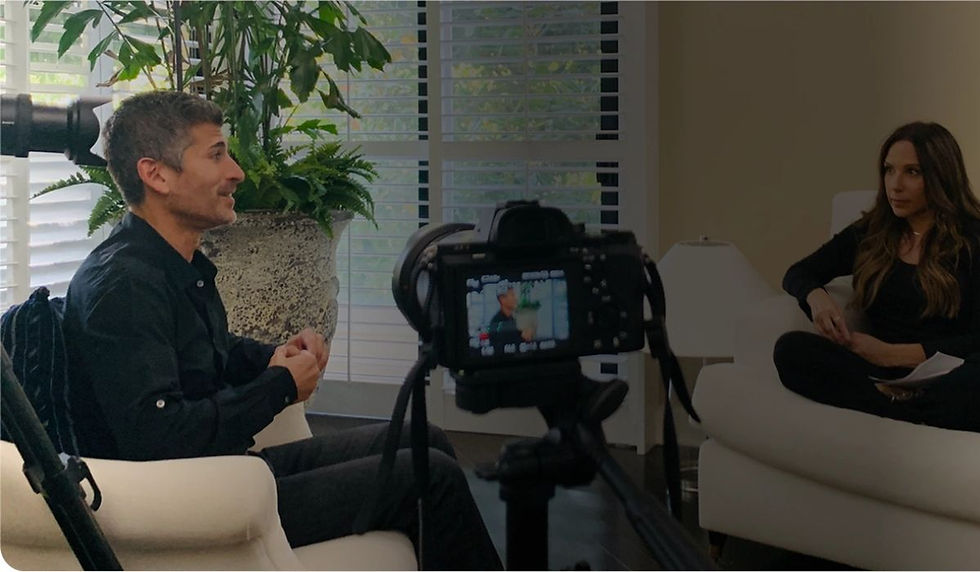
This is where success coaching comes in. This is unlike another self-help book. In a successful coaching partnership, you build an architecture that rewrites how you work from 6 am to 10 pm. This is not a quick motivation hack.
Why Daily Habits Determine Your Success Trajectory
Neuroscience suggests that approximately 40-45% of our daily behavior is a habit. That’s because your brain wants to save energy, and the easiest way to do this is to automate familiar behaviors using enhanced neural pathways. That pre-work check of social media, the mid-afternoon treat, and the evening TV time are not a moral failing; they're a loop.
Life coaching operates at this level. A coach doesn’t tell you, “Just have more discipline.” Instead, the coach works with you to find the trigger cue for procrastinating, rewrite the routine, and attach an intrinsic reward that can last. The real power comes when conscious thought turns into a habit, and behavior modification endures far beyond January.
Evidence supports this. Coaching clients using habit tracking and accountability achieves a 65% success rate for habit maintenance at six months versus a 35% success rate for individual attempts.
The Psychology Behind Habit Change With a Certified Life Coach
Rewiring the Cue-Routine-Reward Loop
Your brain is operating on a 3-step process. The cue could be stress at 3 PM. The routine could be opening Instagram. The reward could be a jolt of dopamine. A coach will help you retain the cue and the reward but substitute the routine for something like a 2-minute walk or a breathing exercise.
That is why baby steps trump giant leaps. A 10-minute walk, rather than an hour at the gym, avoids burnout while building the identity of "someone who moves every day." Small victories build on themselves.
Moving From Willpower to Systems
Willpower runs out. Systems last. A central tenet of successful habit coaching is the redesign of your environment. Whether your coach has you put out your workout clothes the night before, schedule blocked time for focused work, or remove tempting distractions (aka delete your social media apps), the focus shifts.
Consistency trumps intensity. One page every night creates a better reading habit than demanding yourself to read a chapter once per week.
Seven Ways Success Coaching Reshapes Your Morning-to-Night Routine
1. Intentional Morning Architecture
The process works this way: you don't respond to alerts; you begin with a planned first 60 minutes. Through SMART goals, coaches make these clear: 10 mins of meditation, water, and review your top 3 priorities. Chaos is eliminated by replacing it with calm.
2. Goal Setting That Actually Sticks
"I want to get healthier" isn't effective. Coaching transforms it: "I want to walk 7,000 steps every day for 30 days to boost my energy to play with my family in the evening. "The smart, specific, measurable, and relevant make for great traction.
3. Real-Time Progress Tracking
A good coach cares about more than weight or cash. They care about energy, feelings, sleep and the things being finished. "Making a consistency streak for just showing up" creates a mindset of growth; you are providing proof and not just an emotion.
If you've ever felt like you understand your habits intellectually but still can't change them, read this article, "Why You're Stuck and How Coaching Helps."
4. Built-In Accountability
Motivation wanes by Tuesday. Accountability doesn't. Weekly check-ins, daily log prompts and structured reflection questions ensure honesty. This professional partnership boosts compliance significantly more than flying solo.
5. Personalized Habit Stacking
A coach adapts strategies to you and your life, not a mold. Is the client introverted? Offer more written assignments. Client's knee hurts? Change movement activities. This flexibility is the reason all-in-one apps flop, but coaching works.
6. Evening Reflection and Reset
You then spend 5 minutes reviewing your day: What went well? What tripped you up? What's one task you will focus on tomorrow? This 5-minute reflection (stressed in all habit coaching frameworks) translates experiences into lessons learned.
7. Identity-Level Change
But it's the shift from not doing the habit to becoming the person who effortlessly performs the habit, which is the most profound. Your coach's work involves guiding your language and your thinking so that you become "an active person" instead of "a person trying to exercise." This identity becomes a primary motivator for spontaneous actions.
Your Habits Are a Choice Architecture
Success coaching doesn't add anything to your already full plate. It changes the plate. By partnering with a certified life coach, you'll transition from days on autopilot, from strength against your own will to automation without struggle, and from wishful thinking to tracked results. The changes appear in daily events, drinking water instead of soda without thought, sitting down to work at 9:00 a.m., or feeling content rather than regretful at day's end. As time passes, those little events are what your life looks like.
When you feel like you are stuck running the same plays around the same goals, learn from practitioners who truly embody this in-depth work. Ray Doktor, Psy.D. Is an experienced and transformational life coach who guides high-achieving adults toward breaking self-sabotaging cycles and living more aligned with their true purpose through the use of psychology and somatics.
Comments