Innovations in Recycled Foam: A Sustainable Solution for Everyday Products
- Jack Wrytr
- Jul 2
- 4 min read
Millions of pairs of running shoes interrupt their lifecycle somewhere between the gym bags and landfills every year. Most individuals hardly consider the fate of a used-up sneaker after it's been thrown away. The fact is foam in those shoes is one of the stealthiest efficient materials in various manufacturing processes today, finding its way to yoga mats, playground flooring and automobile interior parts. Recycled foam is no longer a minor green activity. It is gradually becoming a normal raw material in industries that before were totally dependent on virgin material.
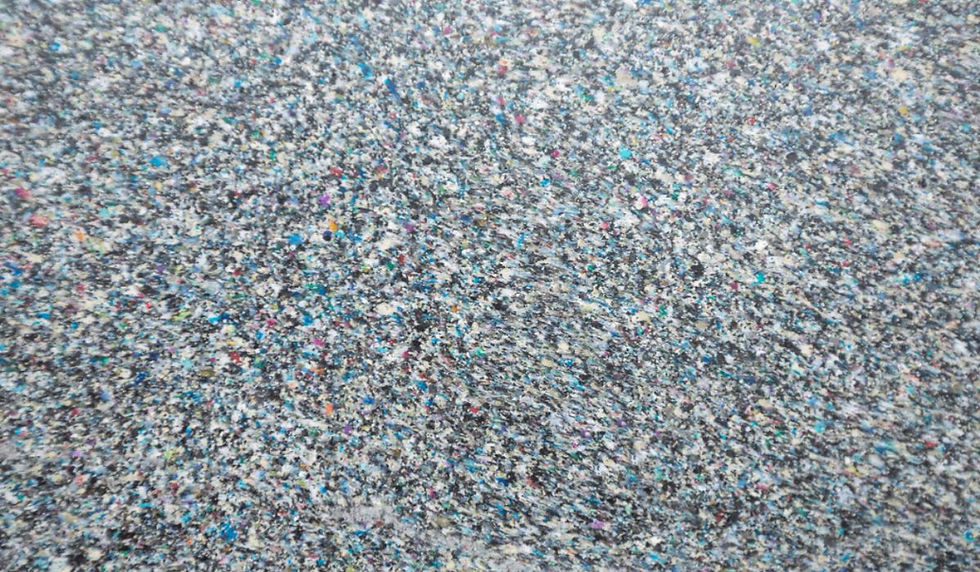
What Happens to Foam After it is "Recycled"?
Though the outcomes may be amazing, most people are surprised to learn that the entire procedure is more straightforward than they have thought. Foam scrap is gathered, separated according to type and state, then shredded or granulated into smaller particles. Next, these are reprocessed, sometimes adhered together, sometimes heated and pressed, to create entirely new foam parts. In the end, recycled foam can be customized for use as cushioning, insulation, or structural padding by varying the blend and the processing methods. All aspects of the subsequent stages are decided by the quality control here from the level of durability to the extent of product performance under repeated use.
Why the Running Shoe Recycling Program Model Matters
Shoes have long been an ignored source of recyclable materials, mainly because footwear is constructed from many elements (rubber outsoles, fabric uppers, and EVA foam midsoles) which can't be easily separated. This is why a dedicated Running Shoe Recycling Program is so significant. These programs are designed to collect, sort and process footwear at a large scale, something that general recycling systems are not really capable of.
An organization working to fill this very gap is Sneaker Impact. By running an extensive collection network for used sports shoes, it redirects materials that would otherwise be wasted in landfills to the production of usable foam. Initiatives like this one address a logistical problem that most consumers are unaware of: the journey of old shoes from the closet and donation bins to the facilities that can process them properly.
Old Sneakers to New Products, the Journey of Recycled Foam
After being processed, recycled foam is used in various unexpected areas:
The midsoles of new shoes
Floor surfaces for gyms and playgrounds
Fitness & yoga mats
Protective packaging inserts
Insulation panels for construction
The standard has been raised to a level where recycled foam now stands on par with virgin-grade material not only in terms of performance but also in low-stake applications like pack filler. The emphasis is mainly on why manufacturers are sourcing and grading recycled materials more carefully rather than discarding them as the last resort.
The Business Case: Why Brands Are Investing in Recycled Foam
More than just the environmental factor, there is also a solid practical business case for it. In fact, recycled material is often cheaper to source than virgin foam and, at the same time, brands are increasingly recognising sustainability as a key factor in their marketing to the retailers and the consumers. Pressure to get certified and changes in regulations are leading companies to keep track, very precisely, of the origins of their materials.
By showing a collection model, Sneaker Impact also highlights the supply side of this transition, both the footwear brands and the recyclers benefit from a constant, a stream of post-consumer material can be easily traced, as opposed to finding the sources that are available only when needed. A brand that is looking into that area, in most cases, will find that joining an already existing Running Shoe Recycling Program is even quicker than setting up the collection system from the beginning.
Closing Thoughts
Recycled foam has recently become one of those very few truly sustainable materials, it is a real competitor. It all depends on very little, like a pair of running shoes that a person throws away. In case you want to take a detailed look at how recycled material quality is really graded and sorted, follow this link to How to Choose the Right EVA Foam Granule Grade.
Frequently Asked Questions
Is recycled foam as durable as new foam?
It really depends on where the recycled foam comes from and how it was sorted. Clean and well-sorted recycled foam can have performance characteristics very close to those of virgin foam. On the other hand, low-quality or contaminated materials are going to deteriorate very quickly, which is the main reason that the source of recycled foam is more important than most people think.
Where do I drop off my used running shoes for shoe recycling?
Search for a Running Shoe Recycling Program in your area. Apart from the collection bins in various gyms, schools, and retail stores, some groups provide mail-back options if you don't have any local collection point.
Does recycling shoes really help or is it just a gesture making one feel good?
It does contribute more than people believe. Landfilling of waste from footwear is a large and an unrecognized factor, and each pair that is properly sorted and processed is turned back into a useful raw material.
Which products are made out of recycled foam nowadays?
There are quite a few products, including yoga mats, gym floors, shoe midsoles, packaging protection, and some car interiors. It is turning into a standard material rather than a one-off or an unusual product.
Not all foam recycling programs are genuine, some might just be greenwashing. How to tell?
Good question, and unfortunately the answer is that not all programs have the same level of quality and integrity. The best way to tell if a program is legitimate is to see if it freely discloses the final location of the material and the company responsible for processing it. That level of transparency generally correlates with a genuine operation, not a staged bin just for showing off.


Comments