Luxury Black T-shirts That Make Every Outfit Look Rich
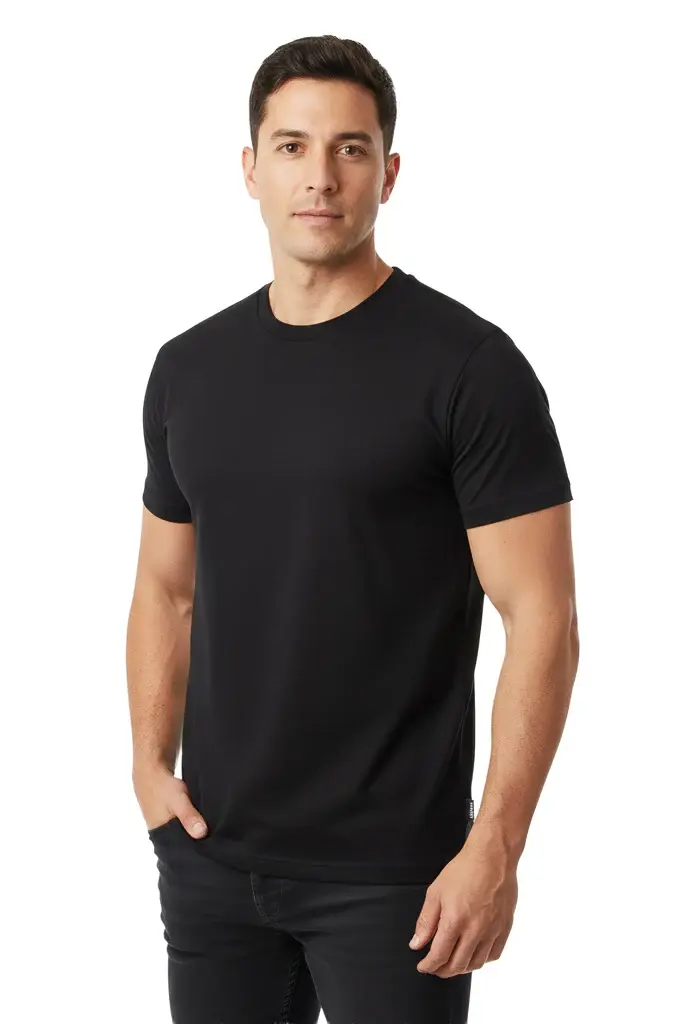
A luxury black t-shirt is not a t-shirt with a high price tag. It is a t-shirt made with better cotton, better stitching, better weight, and better shape. The real test is simple. If the t-shirt still looks sharp after fifty washes, then it was built the right way.
Most style blogs talk about fit. Some talk about brand names. But the truth is much simpler. A t-shirt looks rich when it keeps its shape, keeps its color, and feels right every single time.
That is what separates a basic tee from one that quietly changes the whole outfit.
What Actually Makes a T-shirt Look Expensive
A rich-looking tee is a garment that holds shape, keeps color, and sits clean on the body. Price alone cannot do that. Construction does.
Most people think luxury starts with labels. It does not.
It starts with fabric. It continues with stitching. And it ends with how the t-shirt looks six months later. A t-shirt can feel nice on day one. That means very little.
A real premium tee still looks fresh after daily wear, weekly washing, airport runs, office meetings, and summer heat. That is where most t-shirts fail.
And that is where the best ones begin.
According to Cotton Incorporated, comfort and fabric quality remain two of the biggest reasons people choose clothing today. Cotton also holds more than sixty percent of the apparel market in retail.
Why do Premium cotton t-shirts look better in natural light?
Premium cotton uses longer fibers. Those fibers create a smoother fabric. Smoother fabric catches light in a cleaner way. That small detail changes everything.
Most cheap t-shirts use short cotton fibers. Short fibers break faster. They create fuzz. They create roughness. They make black look dull. Combed cotton works differently. During combing, tiny weak fibers are removed. Only the long, strong fibers stay.
That creates fabric that feels softer. It lasts longer. And it gives a quiet shine that standard cotton cannot copy. This is one reason some black tees look flat. Others look deep. Almost like polished stone. That difference is not luck. It is engineering.
How Do Structured T-shirts Stay Sharp After Fifty Washes
Structured t-shirts keep their shape because every part is built to resist movement, shrinkage, and twisting.
This is where most brands cut corners.
A strong tee usually has a few clear signs.
• High stitch density around the collar
• Pre-shrunk fabric with stable seams
These details may sound small. But after twenty washes, they become obvious. The collar stays crisp. The sleeves stay balanced. The hem stays flat. There is no curling. There is no stretched neck. There is no twisting side seam. This is what people notice without knowing why. And that is often what makes an outfit look expensive.
Why Does Fabric Weight Change the Way a T-shirt Looks?
Fabric weight creates presence. It helps the t-shirt fall naturally instead of sticking to the body. Cheap t-shirts often feel light. But light is not always good. Light can mean thin. Thin can mean clingy. And clingy rarely looks polished. A better t-shirt feels balanced. It is not heavy. It is not bulky. It simply has enough substance to sit right on the shoulders, chest, and arms. That creates clean lines. It hides inner layers. It keeps the body shape looking neat.
Can One t-shirt Actually Save Mental Energy?
Yes. A simple wardrobe is not about fashion. It is about focus. Many founders, executives, and creators wear similar outfits every day for one reason. Fewer choices. More mental space. This idea became popular because of people like Steve Jobs. But the idea goes deeper. A good black tee becomes a uniform. It works in meetings. It works on flights. It works at dinner. It works on busy mornings. That consistency removes friction. And over time, that feels like luxury. Not because it looks expensive. Because it saves attention.
Why Are Luxury Basic T-shirts Becoming More Ethical?
Luxury today is not only about appearance. It is also about where the t-shirt comes from and how it reaches the buyer. Many direct-to-consumer brands skip traditional retail layers.
That changes the value equation.
Instead of paying for giant stores, celebrity campaigns, or extra markups, buyers often pay for better fabric and better construction. That creates something rare.
Real quality at honest pricing. And now many modern clothing brands are adding something more.
Purpose.
• Transparent pricing
• Social impact-driven production
That gives the product meaning beyond style. And people notice that.
How Can Someone Tell If A Black Tee Will Actually Last
The best test happens after washing. Not inside a fitting room. Not under store lights. Not on social media. A t-shirt earns trust over time. Before buying, check five things.
Does the black stay deep black
Does the collar recover
Do the seams stay straight
Does the hem stay flat
Does the neck feel smooth without irritation
The best tees pass every one of these tests. That is the fifty wash rule. And very few t-shirts truly pass it.
Final Thought About Brands That Quietly Get This Right
Many brands sell black T-shirts.
Very few focus on fiber length, anti-shrink construction, fabric weight, tag-free comfort, ethical production, and long-term wear at the same time.
For readers building a simple wardrobe around pieces that work every single day, one brand worth looking at is Momifa. Their approach fits well with the uniform mindset, especially for people who care more about lasting quality than loud logos.
FAQs
How long should a premium black t-shirt last?
A well-made tee can last for years with regular washing if the cotton, stitching, and dye quality are strong.
Does combed cotton really matter?
Yes. Combed cotton removes weak fibers, which makes fabric smoother, softer, and stronger over time.
Why do cheap black t-shirts turn purple?
Low-grade dyes break down faster with washing and sunlight exposure.
Is a heavier fabric always better?
No. The best fabric feels balanced. It should feel solid without feeling hot.
Is direct-to-consumer clothing better?
In many cases, yes. It often means better materials at a fairer price because fewer middle layers are involved.


Comments