What Happens to Your Old Shoes After Drop-off
Old sneakers pile up fast. They take up space, lose function, and often end up in landfills. That creates waste, adds to emissions, and wastes valuable materials that still have use. The issue grows when millions discard shoes without knowing what comes next. The result is a cycle of waste that feels hard to break.
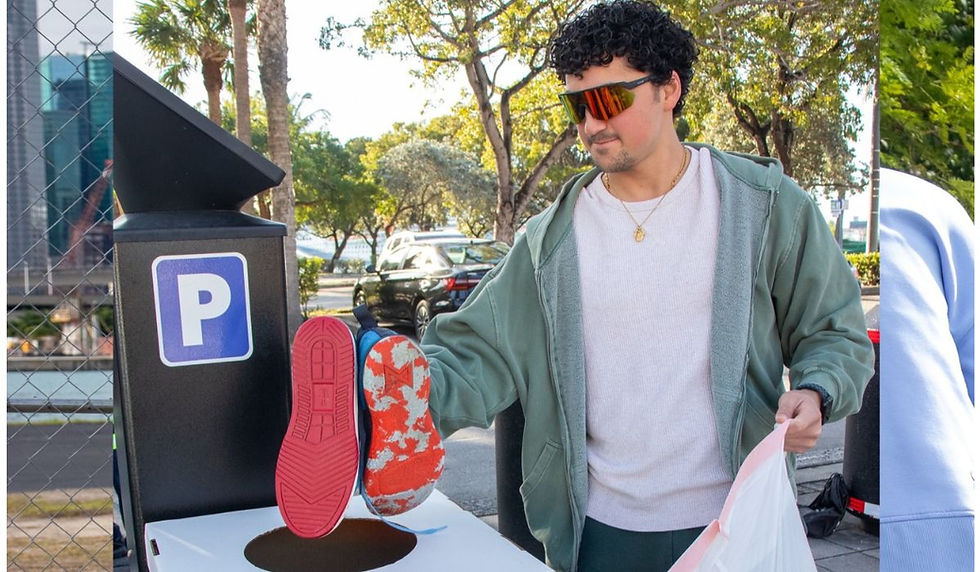
A structured recycling shoe program completely changes that path. It redirects footwear into systems that reuse, repair, or transform it into new materials. This breakdown explains exactly what happens after drop-off, step by step, and why that simple action carries long-term value.
The Collection Stage: Where the Journey Begins
Once shoes enter a recycling program, they move through a controlled collection process designed for efficiency and traceability.
How Shoes Are Collected
Collection methods vary but follow a similar structure:
Drop-off bins at public locations
Mail-in take-back bags
Bulk collection boxes for organizations
Event-based drives
Programs like Sneaker Impact streamline this stage by offering both individual and large-scale collection options, ensuring consistent intake across regions. Each collected batch gets logged, counted, and prepared for transport to a processing facility.
Sorting and Grading: Deciding the Next Life
After arrival at a processing center, shoes do not go straight into recycling. They first undergo detailed grading.
The 4-Tier Sorting System
Most structured programs use a classification model:
Tier A: Nearly new, minimal wear
Tier B: Gently used, fully wearable
Tier C: Worn but repairable
Tier D: End-of-life, not wearable
This step determines whether shoes will be reused or broken down into raw materials, such as rubber granules. Sneaker Impact applies a similar structured grading system, ensuring every pair follows the most effective path rather than a one-size-fits-all disposal method.
Reuse Path: Extending the Life of Wearable Shoes
Not all shoes need recycling. A large portion still holds functional value.
Where Wearable Shoes Go
Shoes in Tier A, B, and some C categories move into redistribution channels:
Sent to micro-entrepreneurs in developing regions
Repaired and resold in local markets
Offered at affordable prices to communities in need
This model supports both sustainability and economic activity. Programs like Sneaker Impact have helped empower thousands of small business owners through this approach, turning discarded footwear into opportunity.
Recycling Path: Breaking Shoes Down into Materials
Shoes that cannot be worn again enter the recycling phase. This is where transformation happens.
The Recycling Process
End-of-life footwear goes through multiple stages:
Shredding: Shoes are broken into small fragments
Separation: Materials like rubber, foam, and textiles are isolated
Cleaning: Dust and contaminants are removed
Sorting: Advanced systems separate materials by type
This process produces reusable outputs, including rubber granules, EVA foam particles, and textile fibers. Sneaker Impact processes these materials through in-house systems, ensuring consistency and quality across outputs.
What Are Rubber Granules Used For?
One of the most valuable outputs of a recycling shoe program is rubber-based material.
Common Applications of Recovered Materials
Rubber granules serve multiple industries:
Sports surfaces like running tracks and playgrounds
Shock-absorbing flooring systems
Road construction additives
Industrial mats and insulation
Instead of extracting new raw materials, manufacturers reuse these outputs, reducing environmental strain. This circular use of materials keeps waste out of landfills while supporting production chains.
Circular Materials: Closing the Loop
Modern recycling systems prioritize circularity over disposal.
What Circular Systems Achieve
Convert waste into usable raw inputs
Reduce dependency on virgin materials
Lower carbon emissions across supply chains
Support long-term sustainability goals
Sneaker Impact integrates circular-material production into its operations, ensuring that even non-wearable shoes contribute to new-product lifecycles. This approach shifts footwear from a linear "use-and-discard" model to a regenerative one.
Environmental and Social Impact
A well-structured recycling shoe program creates measurable outcomes beyond waste reduction.
Key Benefits
Landfill Reduction: Millions of shoes diverted from waste streams
Lower Emissions: Significant CO2e savings through reuse and recycling
Economic Support: Thousands of micro-entrepreneurs gain inventory
Access to Footwear: Affordable options reach underserved communities
Sneaker Impact has contributed to recycling over 15 million pairs while reducing over 128 million kg of CO2e, showing how scale amplifies impact.
Why This System Matters More Than Ever
Footwear waste continues to grow amid fast-fashion and high-consumption cycles. Without intervention, discarded shoes remain one of the hardest items to break down in landfills. A structured shoe-recycling program provides a scalable solution that addresses both environmental and economic challenges. The shift toward material recovery, including outputs such as recycled rubber, signals a move toward smarter resource use across industries.
The Bottom Line
Old shoes do not simply disappear after drop-off. They enter a system designed to extract value at every stage, from resale to material recovery. A recycled program ensures that wearable pairs support communities, while worn-out ones are transformed into materials like rubber granules that serve new purposes.
This process reduces waste, supports livelihoods, and lowers environmental impact at scale. The next time unused sneakers sit in a closet, sending them into the right system can create far-reaching benefits. Taking that step helps turn everyday disposal into measurable progress.


Comments