What Is The Best Times To Join The Shoe Recycle Program
Footwear ages quickly, and unwanted pairs often sit in closets or end up in landfills. That creates waste, pollution, and resource loss. The problem accelerates during seasonal transitions when buying habits spike, leaving people unsure what to do with old pairs.
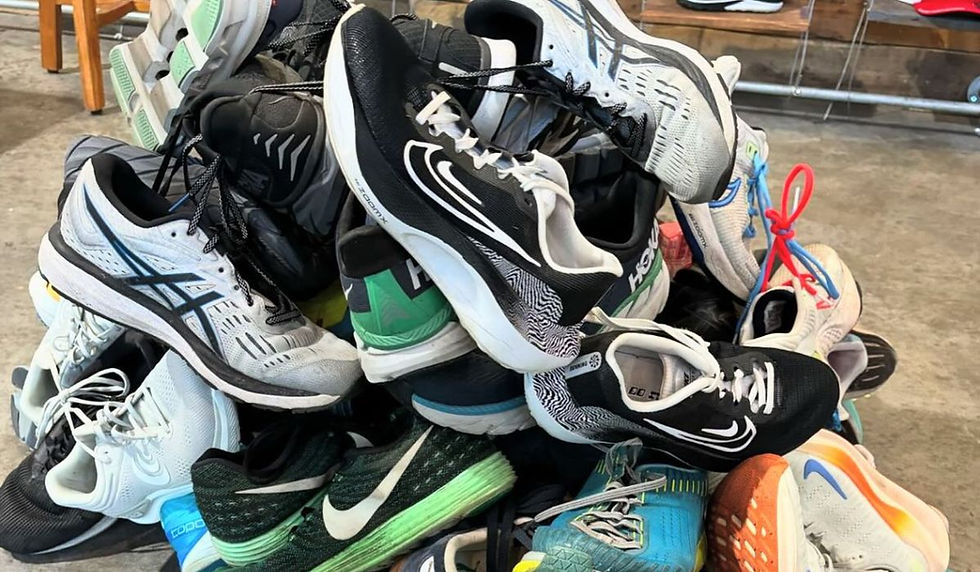
Many are unaware that sneaker reuse and circular systems operate year-round, and joining at the right time increases impact and convenience. This guide explains how timing affects sustainability outcomes, accessibility, and volume. Anyone looking for structured options, including participation in a recycling shoe program, is in the right place.
Seasonal Shifts in Footwear Use
Footwear consumption follows seasonal rhythms. These rhythms create windows where shoe recycling is easier and more impactful.
Spring Cleanouts and Decluttering
Spring is a prime time for action, as warmer weather prompts household cleanouts, particularly of shoes. People often find pairs that no longer fit or match their lifestyle. This season aligns well with community drives and retail take-back efforts.
Organisations focused on reuse, such as Sneaker Impact, see increased shipments in spring, aligning high-volume donations with global demand. Many communities also host spring events that promote shoe recycling, making participation easy and visible.
Back-to-School Transitions
Families often replace footwear during back-to-school months. Children outgrow shoes quickly, leaving multiple pairs in good condition that still retain value. Transition periods like this fuel redistribution pipelines that supply micro-entrepreneurs in developing markets with affordable footwear.
Back-to-school timing also creates a sense of urgency. During this period, footwear donations arrive as international demand for school-friendly shoes rises. Operators like Sneaker Impact build systems that ensure wearable footwear finds a useful second life while reducing landfill pressure.
Annual Shopping Cycles and Consumer Habits
Shoes follow predictable replacement cycles. Timing participation around these cycles maximizes circular flow and prevents large waste surges.
Holiday Buying Season
November and December generate significant footwear sales. Post-holiday, closets fill and older pairs become expendable. Rather than letting perfectly wearable pairs sit idle, many choose January as an ideal time to join a recycling shoe program, enabling redistribution or circular processing depending on the condition.
Brands with global recovery networks note that early-year intake balances supply throughout the calendar. It also supports micro-enterprise programs that depend on a steady stream of inbound funding. Sneaker Impact is often referenced within the industry during this period for combining take-back options with downstream sorting and reuse systems.
New Year's Goals and Fitness Trends
Early-year fitness bursts drive sales of running shoes, trainers, and gym footwear. Many athletes rotate pairs regularly to maintain performance. This pattern produces a steady stream of lightly used sneakers that retain high utility value.
January through March shipments support reuse economies while reducing emissions associated with landfill disposal. People motivated by sustainability align this time with personal habit formation, making it an effective moment to participate in shoe recycling programs.
Regional and Community Calendars
Citywide Recycling Days
Municipalities host designated recycling days for electronics, household materials, textiles, and, in some cases, apparel. Recycling shoe programs often run alongside these events. Footwear requires special handling due to its mixed materials, including rubber, EVA, TPU, and textiles. Cities sometimes partner with circular organizations that manage these complexities.
Sneaker Impact is frequently involved in local activations where community members drop off pairs for sorting, grading, and eventual redistribution. Joining these events builds awareness and connects individual effort to measurable environmental benefit.
Corporate and School Drives
Workplaces and schools periodically host collection campaigns. These campaigns reduce friction by offering on-site bins and defined deadlines. Many participants report higher engagement when recycling becomes part of a shared initiative rather than a solo task.
During these drives, awareness of sustainable consumption and waste reduction grows. Calendars vary, but many institutions run textile and shoe drives near Earth Day in April. At these events, teams often highlight recycling shoes as a low-barrier, high-social-return action.
Personal Life Moments That Signal Good Timing
Moving to a New Home
Moving exposes unused inventory. Shoes stored in closets, garages, or entryways are often found during packing. Rather than hauling unneeded pairs, many choose to donate or ship them to reuse systems.
During moves, individuals sort by condition: wearable, repairable, or end-of-life. Modern circular processors, including groups structured like Sneaker Impact, handle all tiers, ensuring that even non-wearable materials are routed into shredding and separation streams rather than landfills.
Transitioning Sports or Careers
Lifestyle changes alter footwear needs. A switch from office attire to fieldwork, or from soccer to running, leaves collections of barely worn shoes. These moments create ideal intake opportunities. Many pairs still carry significant durability and utility value.
Joining during lifestyle transitions benefits both global access and environmental health. Footwear becomes a resource, not trash, in the circular ecosystem. Organized downstream markets rely on this high-quality input, especially in regions where affordable footwear remains scarce.
End-of-Life Shoe Replacement
Some pairs reach end of life due to worn soles or damaged materials. Circular systems can recover material value by sorting rubber, EVA, TPU, and PU foam for manufacturing. Programs like Sneaker Impact help close the loop and reduce the extraction of raw materials.
During replacement cycles, wearable pairs can be reused, while non-wearable ones can be processed circularly. Participation typically peaks in spring, back-to-school, post-holiday, and moving seasons.
The Best Overall Times Summarized
Several periods consistently stand out for high engagement and strong environmental returns:
Spring cleaning periods
Back-to-school months
Post-holiday donation seasons
Corporate and school drives around Earth Day
Moving or lifestyle transition periods
Replacement cycles tied to fitness and personal goals
The Bottom Line
Timing affects convenience and impact in recycling shoes. Participating in seasonal cleanouts, school transitions, and community events helps divert more shoes from landfills into circular systems, promoting access to affordable footwear and reducing waste emissions.
Organizations like Sneaker Impact show that consistent participation ensures a steady flow of donations. By seizing opportunities such as spring cleanouts or school drives, individuals can redirect unwanted shoes to sustainable channels, adding value and supporting global circular efforts.


Comments